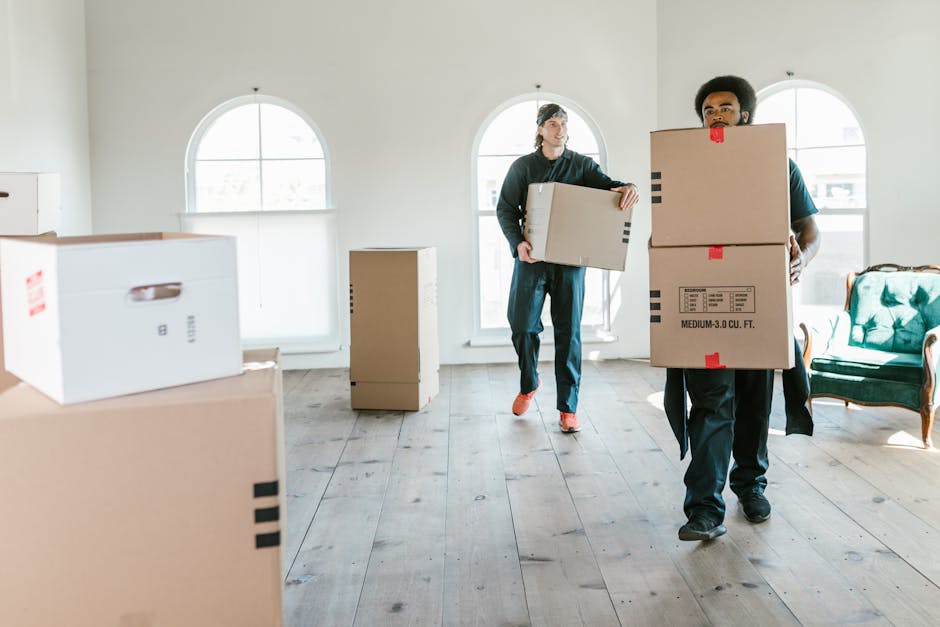
Removals and Storage in Removals

Our removals and storage service in Removals is designed to help households and businesses move possessions in an organised way, with a clear focus on protecting items in transit and keeping the process manageable from start to finish. Whether you are moving out of a flat, relocating a family home, transferring office contents or bridging a gap between addresses, we provide a practical service built around careful handling, sensible planning and straightforward communication.
The work can include loading, transporting, delivering and, where needed, storing furniture, boxes and other household or commercial items. We also support moves that need a packing and unpacking service, which can be useful when time is tight or when items need extra protection before travelling. If you are comparing options for a move in the area, this page gives a clear picture of the main service and how to request a quotation.
A good removal plan is usually built around the volume of goods, access at each property and any items that need special care. Sofas, wardrobes, desks, archive boxes and mixed household goods often need different handling, so the right approach is not simply about vehicle size. It is about matching the method to the job, making sure the move stays orderly and reducing unnecessary disruption for everyone involved.
House moves, furniture and day-to-day removals
House moves often involve more than carrying boxes from one doorway to another. Large furniture may need disassembly, tight stairways may require careful manoeuvring, and fragile belongings may need more deliberate packing or separation from heavier goods. Our removals service is suitable for moving the kinds of possessions that make up an everyday home, from beds and tables to white goods, suitcases and personal items.
For customers who only need selected items moved, the service can be tailored around individual pieces rather than a full property. That might include a dining set, bedroom furniture, garden items or a few bulky possessions that are awkward to transport in a standard car. Where a smaller, flexible approach is the better fit, some people also consider man and van support for lighter or shorter moves, while still keeping the work within a professional removal framework.
Before any move, it helps to think through what needs to travel, what can be dismantled and what should stay with you until the last minute. A simple list of rooms, furniture and special items makes it easier to shape the job accurately. If you are ready to compare options, ask for a quotation and give a clear outline of what needs moving.
Storage between properties and for longer arrangements

Storage is often needed when moving dates do not line up neatly, when a property is not ready to receive everything at once, or when only part of a household should be delivered immediately. Our removals and storage service can support those situations by keeping items together in an orderly way until they are ready to be moved on. That can reduce pressure when completion dates change or when space is limited at the destination.
Some customers use storage to simplify a staged move, sending essential furniture first and holding back less urgent contents until access is available. Others prefer to store surplus furniture while they decide how much to keep in the new property. If you are arranging a larger relocation, our home moves page gives another route into the same core service, especially when you want to think about the move as a whole rather than only the storage element.
Good storage arrangements rely on clear labelling, sensible grouping and an understanding of which items may need extra protection from scratches, dust or pressure. That matters for mixed loads as well as single-room contents. When you enquire, it is useful to note whether the storage period is short, open-ended or linked to a specific move date, because that helps us prepare the most suitable arrangement.
Office and commercial relocation support
Commercial removals call for a slightly different approach from household work. Desks, chairs, filing, stock, IT equipment and archived material all need a planned sequence so that essential business functions can resume with as little disruption as possible. Our removals and storage service is well suited to this kind of move because it can cover the transport of office contents, the temporary holding of surplus items and the delivery of equipment in stages.
If you are moving a workplace rather than a home, it is worth looking at office removals for a more focused description of that service. Businesses often need help deciding what should be moved immediately, what can be stored, and what should be left in place until a later phase. That sort of sorting process is often more important than the vehicle itself, especially where desks, paperwork and technology are involved.
For commercial customers, the best starting point is a clear outline of the premises, the floor levels involved, the type of equipment and the timing requirements. A small office may only need a straightforward removal, while a larger workplace may benefit from dividing the contents into groups that can be moved or stored at different points. Tell us what needs to travel and what can wait, and we can build the quote around the actual job.
Packing, protection and handling choices

Packing has a direct effect on how smoothly a removal runs, especially when fragile items, awkward furniture or mixed loads are involved. Strong boxes, secure wrapping and sensible labelling all help keep different categories of belongings separate and easier to handle. Our service can work alongside your own packing, or you can choose to have support with the packing process when the job calls for it.
Not every item needs the same treatment. Crockery, books, clothing, paperwork and ornaments all benefit from different packing methods, and heavier pieces should usually be kept separate from delicate surfaces. For that reason, it is often better to plan the packing around the contents rather than trying to use one approach for everything. If your move includes specialist pieces or unusually shaped items, mention them early so the preparation can reflect that.
- Separate fragile items from heavy boxes and dense furniture.
- Label rooms or item groups so unloading stays orderly.
- Keep access routes clear for larger pieces and trolley use.
- Note anything that may need dismantling before travel.
Vehicle options, access and the shape of the move
The right removal vehicle depends on more than quantity alone. Access at both ends can matter just as much, particularly if there are stairs, a narrow road, restricted parking or a long carry from door to vehicle. Our removals service can suit different move sizes by matching transport to the layout of the job, helping to keep loading efficient and avoid unnecessary handling.
Where a move is relatively compact, customers may prefer a smaller vehicle or a more flexible transport arrangement. For those situations, it can be useful to compare the main service with removal van transport or with the broader moving van option, depending on the scale of the load. The point is not simply to choose a van at random, but to pick the setup that suits the furniture, access and timing.
If access is tight, a careful plan matters more than force. Measuring larger furniture, checking entrances and identifying likely pinch points can save time on the day. A brief note about stairs, lift access, loading bays or shared entrances is often enough to shape the move properly. That is especially useful when the job includes both household and storage elements, because the route between collection, holding and delivery needs to remain straightforward.
About Removals
Removals is a market town in the county of Norfolk, in the East of England, and is best known for its position on the River Wensum. The settlement sits within the wider Breckland area and has a long history shaped by the river crossing, local trade and the agricultural landscape around it. The town centre contains a mixture of historic streets and later development, with a layout that still reflects its growth from an older riverside settlement into a more substantial inland market town. One of the most recognisable features is the parish church of St Nicholas, whose tall west tower dominates the skyline and makes the town easy to identify from the surrounding roads. The church is among several buildings that show how the centre developed over centuries rather than in a single planned period. Removals also has a number of green spaces and riverside walks, giving the town a balance between built-up streets and open water-side scenery. The river itself forms an important part of the local character, with bridges, footpaths and waterside views helping to define the centre. The town lies close to other Norfolk places such as Dereham and Fakenham, but it remains distinctive in its own right because of the river, the church and the older core around the market area. Local life includes shops, schools, services and community venues that support the town and the surrounding villages, while its road links make it an established point within the county’s wider network. This combination of history, river landscape and everyday local activity gives the place a clear identity that is separate from nearby settlements.
Quotation details and practical planning

When you request a quotation, the most helpful information is usually a plain description of what needs moving, where it is going and whether any items need storage in between. If there are several pickup points, narrow access routes or large items that need special care, say so at the outset. That allows the quote to reflect the work more accurately and reduces the risk of surprises later.
It also helps to mention the size of the property, the number of rooms involved and whether packing is already complete. A move from a furnished family house will look very different from a partial office clearance or a single-room removal. If you are unsure how to describe the job, you do not need perfect terminology; a clear list of the main items is usually enough to start the conversation.
Our aim is to make the quotation stage straightforward, not complicated. You can pricing and quotes information if you want a sense of the service structure before you enquire. Then, when you are ready, send the details of the move and ask for a quotation based on the actual items and arrangements you need.
Commercial and domestic items that commonly need careful movement
Different kinds of property create different handling needs. Domestic moves may include wardrobes, mattresses, kitchen equipment, mirrors and boxed personal items, while commercial moves can involve printers, office chairs, filing cabinets and stock. Our removals and storage service can accommodate mixed loads where the contents are not all of one type, provided the move is planned clearly and the more delicate pieces are identified early.
For customers with furniture that does not need to be moved as part of a full property relocation, it may be useful to consider a separate collection. A specific page such as furniture pick-up can be relevant when you are moving individual items rather than organising a complete household or office transfer. This sort of choice helps keep the work proportionate to the amount of furniture involved.
Heavy items, awkward shapes and fragile surfaces all benefit from a measured approach. That may include wrapping, dismantling, grouping by room and deciding which objects should be loaded first. If your load includes a mixture of practical items and belongings of personal value, it is wise to keep the structure of the job simple and avoid overcomplicating the move with too many separate categories.
Service choices for larger or more flexible moves

Some customers know from the outset that they need a broader relocation rather than a simple vehicle hire. In those cases, it can be helpful to compare the main service with the wider removal services page or with the more general removals page, depending on how you want to approach the move. The aim is to match the amount of support to the amount of work, not to overstate the job or under-prepare for it.
If the move involves a house, a workplace or a combination of the two, it is sensible to decide which possessions need to be available immediately and which can be stored or delivered later. That distinction often determines the best sequence for loading and unloading, especially where access, travel time or building rules affect how the move can be carried out. Please ask for a quotation when you are ready, and include the key details in one clear message.
Insurance, security and item care
Careful removals are about more than lifting and driving. They also depend on sensible security, checked procedures and a clear understanding of which items need extra attention. Our service can sit alongside broader information on insurance and safety, which is useful if you want to read more about the way important items are handled within the business. That gives customers a clearer picture of how the move is organised without making assumptions about every individual job.
Many belongings can travel safely when packed well and loaded in the right order, but some items deserve particular attention because of their finish, weight or shape. Glass, polished wood, electronics and fitted parts can all need additional care to reduce the chance of movement during transit. The practical answer is usually to identify those items early and keep them separate from denser loads wherever possible.
We aim to keep the service clear, orderly and suitable for the job in hand. If you need storage as part of the move, or if you are still deciding whether the contents should travel in one load or several, a short conversation can help shape the work. For most customers, a well-structured quotation is the quickest route to an accurate plan.
Final steps and how to enquire
At the end of the process, a good removal is usually one that feels organised rather than rushed. That means the collection is planned around the items that matter, the route is considered in advance and any storage is built into the arrangement in a sensible way. Our removals and storage service is intended to support that kind of move with practical transport, careful handling and an approach that can be adjusted to different property types.
If you are comparing services, you may also find it useful to read about the wider removal company information available on the site. That can help you decide how much support you want around the main move, especially if you are balancing household goods, business contents and storage needs at the same time. The key point is to choose the service level that matches the work rather than trying to squeeze everything into one narrow description.
When you are ready, request a quotation and give a clear outline of the move, the items involved and any storage requirements. If you prefer, you can also simply contact us with the basics and we can help you shape the next step. A straightforward enquiry is often enough to get started.